Sustainability is part of our DNA
Preserving Harmony
The ZONIN1821 Group is proud to promote sustainable development through all aspects of its business: environmental, economic and social.
1.
Ethics and Responsibility
Zonin1821 Group upholds ethical, professional, legal standards, integrating economic, social, environmental aspects.
2.
Sustainable growth
Zonin1821 offers valuable products, enhancing well-being of communities and territories.
3.
Shared development
Zonin1821 aims to create stakeholder value through sustainable growth.
4.
Excellence and innovation
Zonin1821 collaborates for optimal products and customer satisfaction.
5.
Development of people
Zonin1821 prioritizes stimulating work environments, health, safety, diversity, and growth.
6.
Involvement of supply chain
Zonin1821 promotes sustainable practices, improving performance and industry development.
7.
Socio-economic development of the wine-growing areas
Zonin1821 contributes to local growth through employment, training, and community initiatives.
8.
Safeguarding and protecting the environment
Zonin1821 limits environmental impact and promotes waste re-purposing in activities.
9.
Dialogue and transparency
Zonin1821 builds strong relationships, values stakeholder involvement and expectations.
Sustainability by estate
Ca’ Bolani’s commitment to protecting the environment was recognized by the Touring Guide Vini Buoni d’Italia 2021, which presented the Estate with its ‘Ecofriendly’ award.
Biodiversity: we enhance our presence in the local community with 200 hectares of arable land for the various consortia in the area. In addition, we host beehives in the vineyard. Thanks to the natural springs, we fully use local resources without recourse to irrigation systems.
Oltrenero was the first estate in the group to adopt green manure (an agronomic practice consisting of planting special crops to maintain or increase the fertility of the soil) to preserve the biodiversity of the soil’s microfauna.
At Tenuta Il Bosco we use photovoltaic panels, enabling us to achieve 54% electricity independence. We have 10 hectares of arable land and 1 hectare of lavender and melliferous species (for the production of honey).
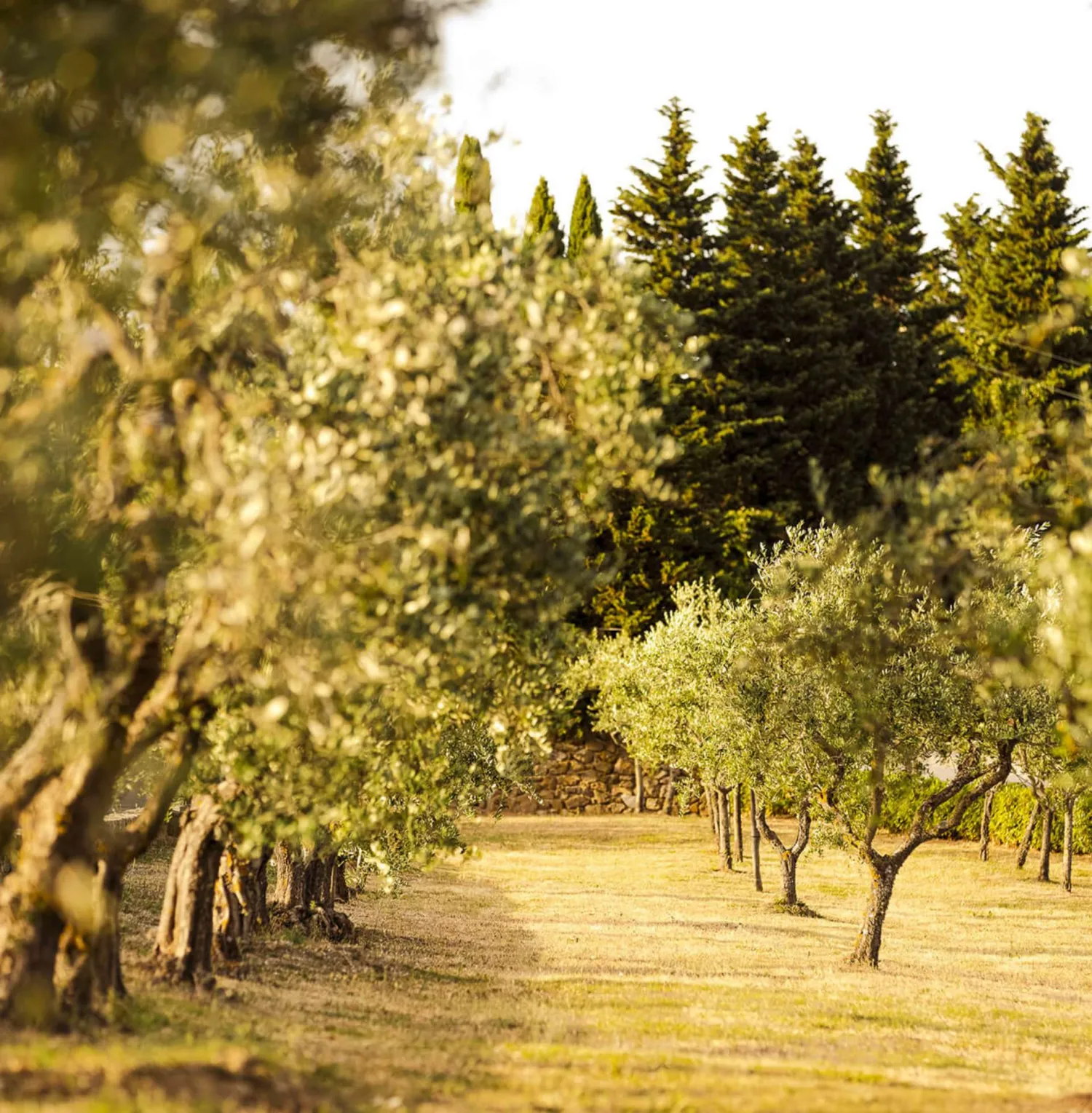
We use green manure (an agronomic practice that consists of planting special crops to maintain or increase the fertility of the soil) to preserve the biodiversity of the soil’s microfauna.
The use of photovoltaic panels has allowed us to achieve over 50% electricity independence.
Biodiversity: we safeguard part of the local fauna and flora by maintaining 15 hectares of pasture and 10 hectares of wood.
We use green manure (an agronomic practice consisting of in planting special crops to maintain or increase soil fertility) to preserve the biodiversity of the soil’s microfauna.
Biodiversity: we preserve biodiversity through vegetable gardens. We also see to the conservation of 600 hectares of woods and 13 hectares of olive groves.
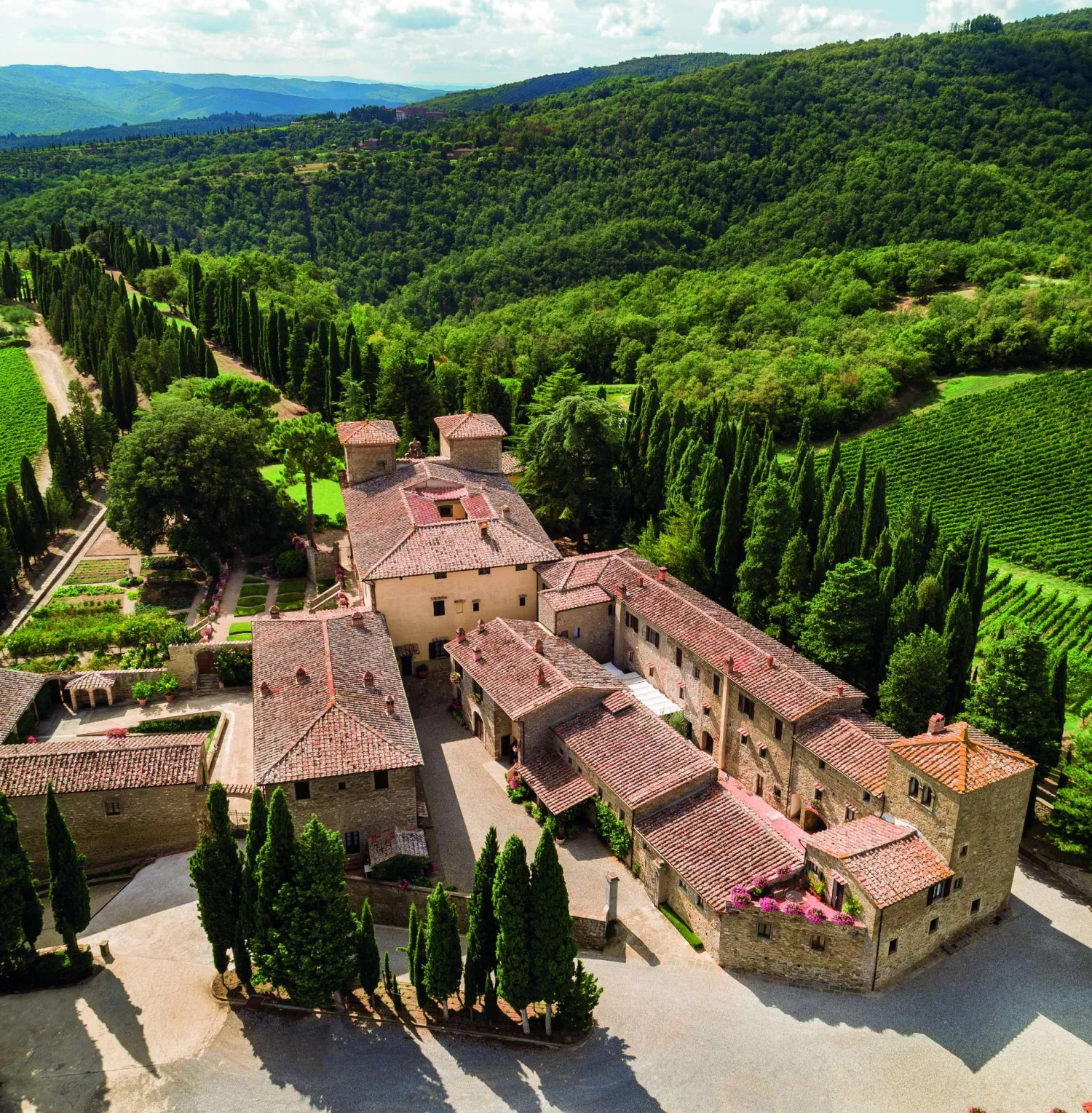
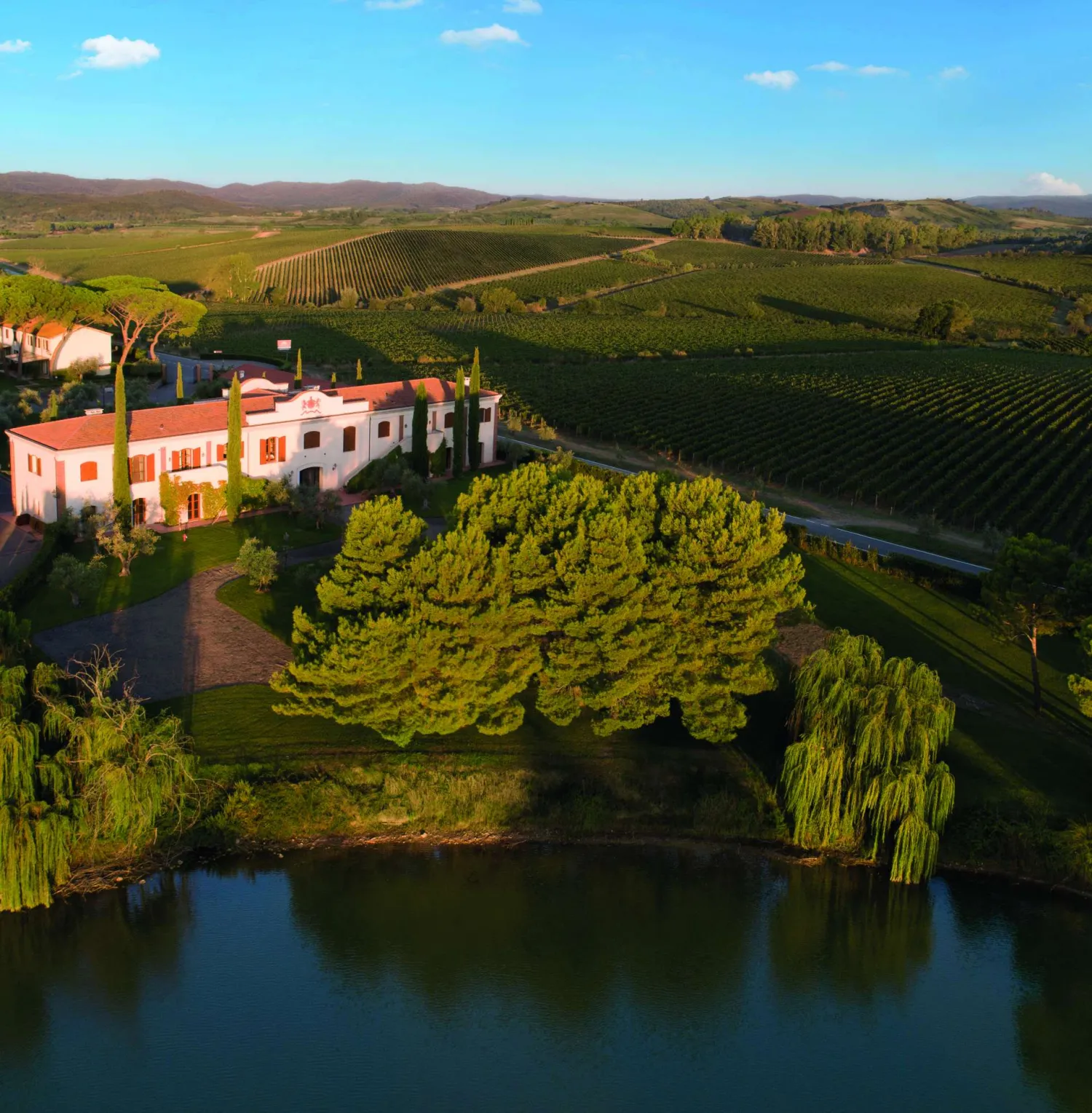

We use green manure (an agronomic practice consisting of in planting special crops to maintain or increase soil fertility) to preserve the biodiversity of the soil’s microfauna.
Biodiversity: The estate maintains 28 hectares of woods. The production of wine is accompanied by the cultivation of ancient varieties of grains, an experimental vegetable garden and a small orchard, the hives in the vineyard and the rearing of the prestigious Maremmana breed of cattle.
At the estate we are experimenting with the reintroduction of alberello vine training for Primitivo, using the traditional method of grafting in the vineyard, with plants produced via ‘massal selection’ in our vineyards.
Biodiversity: we preserve part of the local fauna and flora by maintaining 88 hectares of arable land and 40 hectares of olive groves.
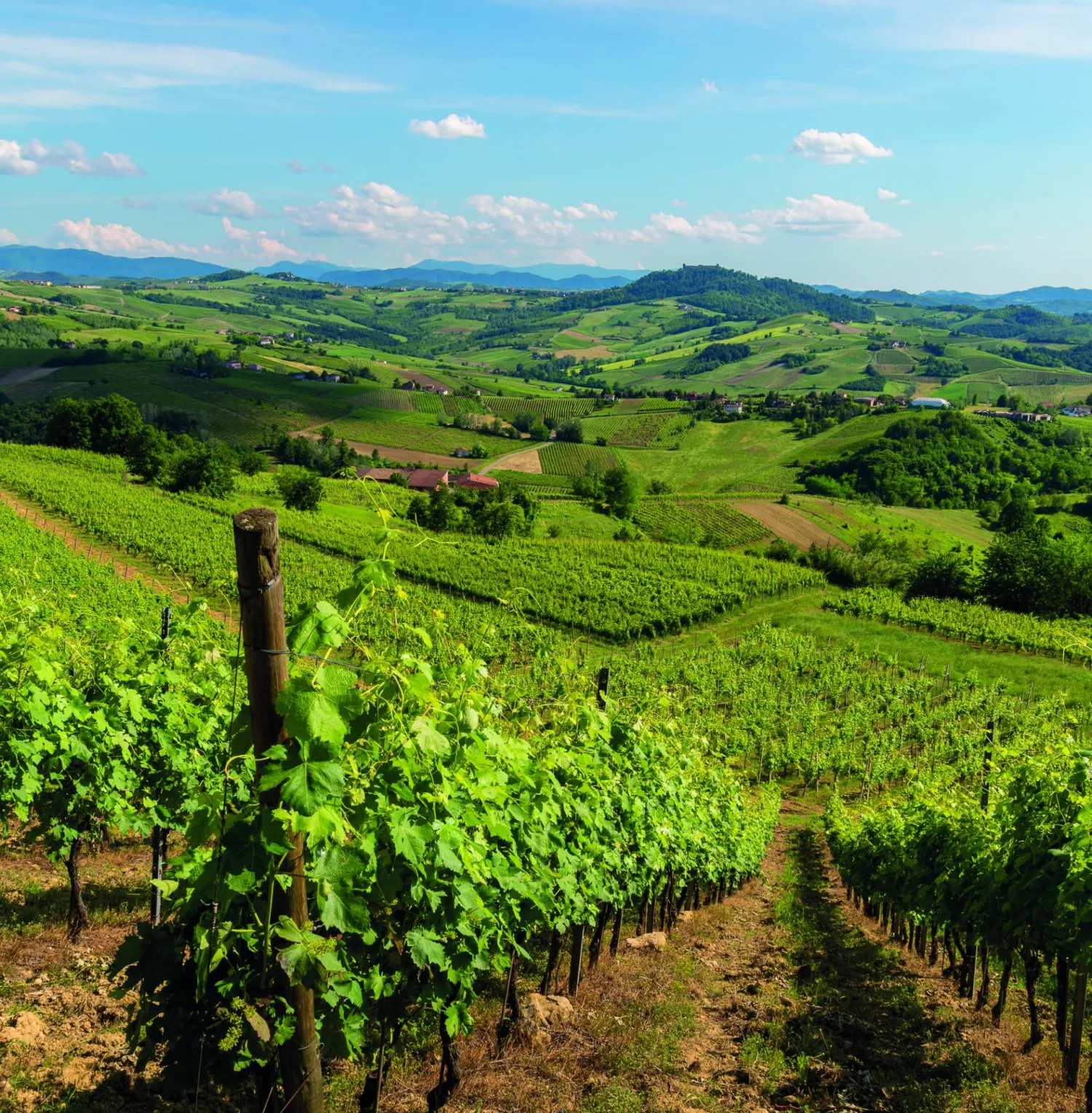

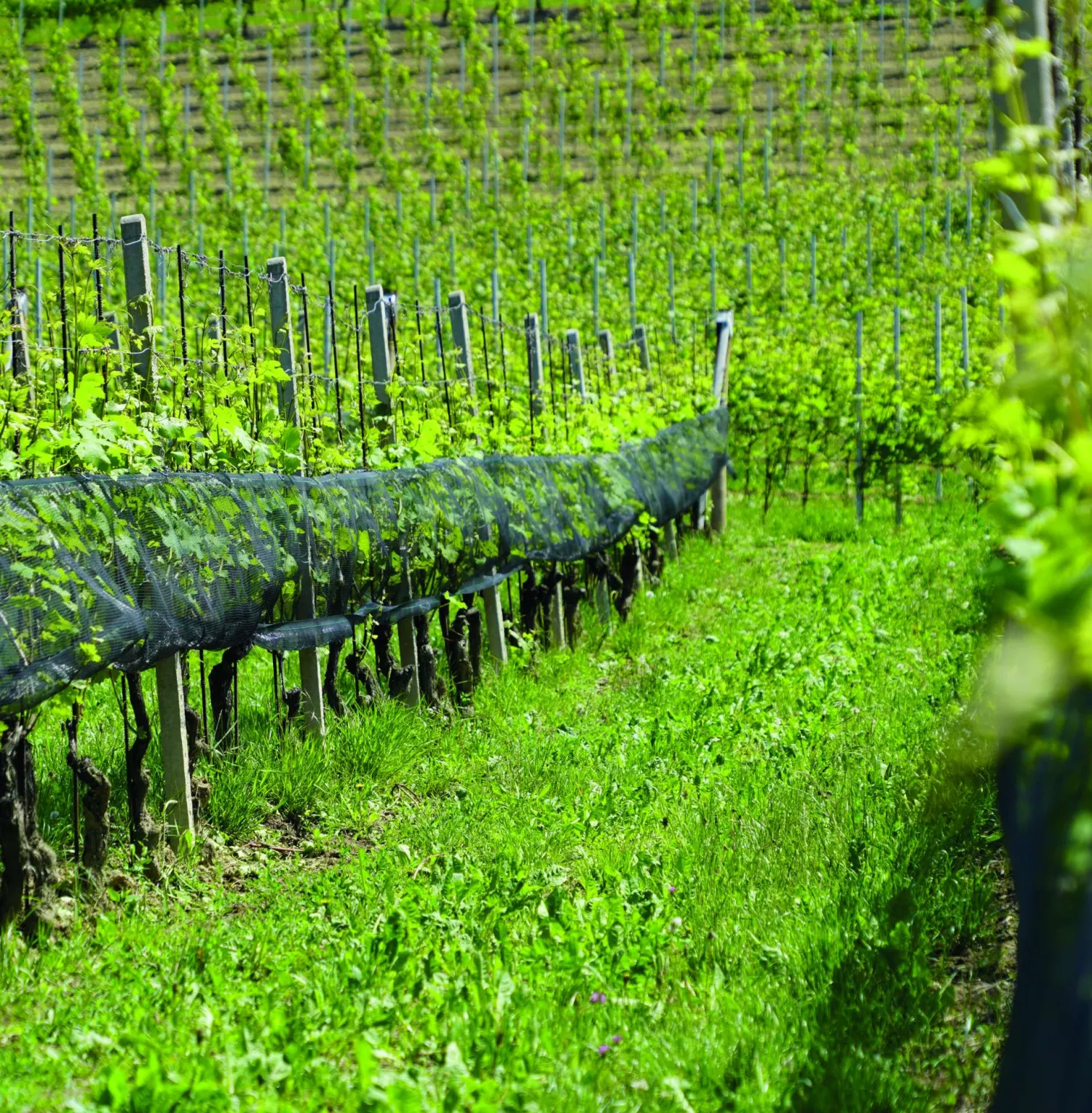
Since 2017 we have eliminated the use of weedkillers throughout the estate, and all fertilizers are of organic origin (we do not use chemicals).
Thanks to the use of insect pheromones we avoid using insecticides.
Biodiversity: we preserve part of the local fauna and flora by maintaining 50 hectares of arable land and pasture and 25 hectares of olive groves. Both are certified organic.
There are 125 hectares of woodland and 72 is used for haymaking. Since 1990 it has never been fertilized or weeded and is occupied by a mixture of native flowers and herbs.
We also boast 8 hectares of lakes and watercourses. They are used for irrigation only in case of extreme drought.
Biodiversity: we host hives in the vineyard and thanks to the natural springs, we fully use local resources without recourse to irrigation systems.